
The magic and lore of insects by Brett Hollyhead.
Witches inhabit various liminal spaces where spirits and human intersect. It is here we undergo the process of initiation; we wield power and form sacred relationships away from the rigid and repressive norms of society. Yet there is a particular space within historical and folkloric accounts that is intrinsically tied to witchcraft but has often been overlooked or forgotten. This is the sacred union with the large assemblies of species that sustain the Earth and continue to fascinate our minds: the world of insects.
At first it may seem peculiar to associate witches with insects. However, the two have a lot in common. They operate in a similar manner and exhibit shared traits. These were strong enough to provoke Early Modern inquisitorial concern that connected the two together (Weiss, 1930). During the infamous and tragic witch trials, the concept of the familiar spirit gained popularity as belief orientated towards non-human interaction as the source of a witch’s powers (Wilby, 2005). The familiar was conceived as am autonomous demon who assisted the witch in their magical acts often in exchange for nourishment from the witch’s blood. These adopted a variety of corporeal guises such as the common cat or dog, but other forms included flies, bees and butterflies (Weiss, 1930)
Those who were connected to the use of harmful magic or Maleficium, were viewed as predatory and parasitic in the same manner as insects with witches acting out their enchantments upon the unsuspecting folk and draining them of their resources (Parish, 2019). Witches and insects lie at the heart of environmental instability with the witch held responsible for the destruction of livestock and crops, infestation and the outbreak of disease through the form of lice, worms and locust. This was populated by the deeply embedded Christian culture of the 16th century whereby multiple biblical accounts reference the collapse of nature via creatures classed as vermin.
Although the connection was severed by advancements in science towards the end of the trials, the link between magic and insects prevailed in folk belief. Different types of insects were harnessed by both ordinary people and those more inclined to the supernatural. When we uncover this anthill of folk belief, we attain a newfound respect for the critters who have played such an important role in various charms and divinatory practices.
As a folk Witch, my craft is inspired by the lore of my home within the Welsh Marches which holds quite a few critters in high regard. One of these include the cricket who was once believed to be the guise of the household spirit or fairy (Jackson, 1879). These ethereal spirits were referred to by different names such as Bwgan, Boogie, Bwbach and had the ability to bestow luck upon the household as well as cause mischief when upset or offended. Having a cricket in your home was considered extremely lucky with may folk making holes in their hearth or chimney for it to take refuge and keep itself warm. I can’t help but wonder whether Jiminy Cricket was more than just Pinocchio’s conscience but in fact a household spirit pulling the strings. But be warned, if the cricket left the house or was killed then bad luck or death would fall upon those who dwelt within.
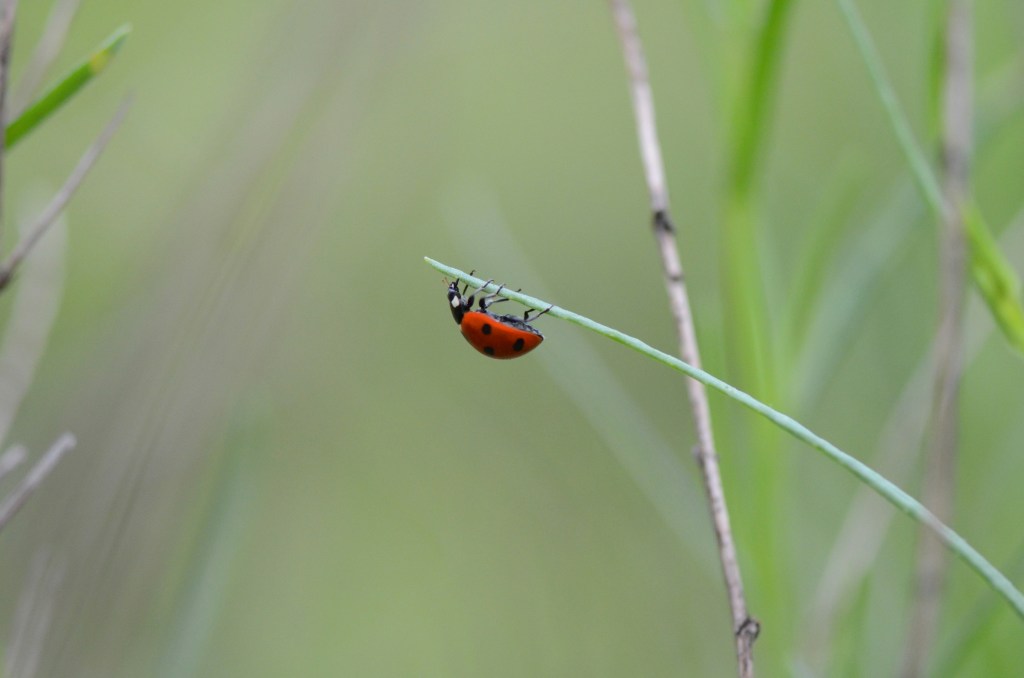
Ladybirds, otherwise known as Ladycows or Buwch goch gota, were also considered to be creatures of prosperity and fortune. These pretty beetles were formerly known as prophets of either love affairs or weather depending which area you come from and were actively used within divination (Burne, 1883). To find out where a future wedding would take place, the Ladybird was placed on the palm of the hand and the inquirer would recite;
“Lady cow Lady cow, fly away flee
Tell me which way my weddings to be
Up hill or down hill or towards the Brown Clee”
After repeating these words, the beetle was thrown in the air with its flight observed. The direction it flew towards would be the direction of love and marriage. A variation of this chant existed for predicating the weather with the ladybird attempting at flight indicating fair weather. But if the ladybird fell to the ground, this would give poor weather.
Another insect that was renowned for its ability in magic, particularly surrounding healing charms, was the Woolly bear caterpillar. Unfortunately, these were not treated in a very humane manner, often being left to die to cure Whooping cough (Burne, 1883). The Woolly Bear was placed inside a hazelnut which in turn was placed inside a white cloth. This was then worn around the neck and as the caterpillar perished so to would the Whooping cough as part of the sympathetic transfer. If this didn’t work the first time, attention would be turned towards the spider who would then fulfil the role of the healer within the nut. If you think this is bad, then please spare thought got the poor snail who was either thrown over the shoulder to determine the initials of the future lover left over in its slime or was impaired upon hawthorn to cure warts (Owen,2019).
Lastly who could forget the trusty bee who was treated as an auspicious omen and as an integral part of the family. Important news such as a marriage or death was conveyed to the honey makers as part of a tradition known as telling the bees (Burne, 1883). Before a funeral, the first-born son would visit each hive and knock on them three times with a door key repeating:
“Little bee, our lord is dead, leave not while we are in distress”.
The hive would then be covered in a black cloth and sometimes picked up and turned to face the keeper’s door to initiate the mourning process. Failure to do so would forfeit the abundance they brought to the family. A famous example of this took place in 1961 at the funeral of Sam Rogers in Shropshire (Coole Lake, 1961). Sam was a committed beekeeper and on the day of his funeral, after the bees had been told of his passing, attendants witnessed swarms of bees flying from the direction of his home and landing upon the surrounding flowers and grave to give respect and say their goodbyes for one last time.
In many ways, we are beholden to the insects of our world. Regardless of whether you like them or not, they play a vital role in the ecosystem and in agricultural processes which are critical to our survival. Without them, life on Earth would be unrecognisable. Aside from this they also play an important role in magic and belief, frequently appearing in myths and lore as well as in multiple pieces of folk tradition. As witches our practice is based upon respect and relation to others and this extends to non-human being. So, the next time the thought of squishing or stomping on an insect crosses your mind, think of their influence on magic and their beautiful qualities they haven given to both our beliefs and everyday life.

Brett Hollyhead, also known as the Witch of Salopia across social media, is a practicing Welsh Marches Folk Witch, workshop leader and a public speaker at regular Pagan related events/ conferences throughout the United Kingdom. He’s a member of the Cylch y Sarffes Goch Coven (Circle of the Red Serpent) alongside Mhara Starling and Moss Matthey. He’s also a member of OBOD and a guardian of the Doreen Valiente Foundation.
For more information: https://www.collectiveinkbooks.com/moon-books/authors/brett-hollyhead
References
Weiss, H, B. (1930). Insects and Witchcraft. Journal of the New York Entomological Society. 38(2), 12
Wilby, E. (2005). Cunning Folk and Familiar Spirits: Shamanistic Visionary Traditions in Early Modern British Witchcraft and Magic. Liverpool University Press
Parish, H. (2019). Paltrie Vermin, Cats, Mise, Toads, and Weasels: Witches, Familiars, and Human-Animal Interactions in The English Witch Trials. Religions, 10(2), 134
Jackson, G. F. (1879). Shropshire Word-Book, A Glossary or Archaic and Provincial Words, ETC…, Used in The County; by Georgina F. Jackson. Trübner & Company
Burne, C. S. (1883). Shropshire Folk-Lore: A Sheaf of Gleanings. Trübner
Owen, E. (2019). Welsh Folk-lore: A collection of The Folktales and Legends of North Wales. Good Press
Coole Lake, E.F. (1961). Folk Life and Traditions. Folklore, 72(2), 408-413
 The Pagan Collective
Leave a comment