

Have you ever wondered where winter came from?
We take it for granted that our planet had seasons since the beginning of its creation but is that the case. Before humans needed clothing and fire to protect themselves from the cold after evolving to lose their fur, the most ancient of memories remember a time when the land bathed in eternal summer providing fruit and crops all year round. All that changed at the beginning of civilization when the Sumerian Goddess of Love and War and Queen of the eternal fertility of nature, not content with ruling over Heaven and Earth, Inanna wished to rule the subterranean world of the dead too. For her to descend into the darkness required Inanna to leave an object of her majestic authority at each of the seven gates that separates the realms of the living and dead passing through the final gate, naked. The Queen of the underworld was Inanna’s sister, Ereshkigal, the Goddess of Death who was having none of it, faced her with the seven Anunnaki Judges when Inanna arrived. They turned their gaze over the Love Goddess, taking her life force and hung her dead body on a meat hook. Learning of her death, the Serpent God Enki created two golems from dirt under his fingernails to retrieve her. The golems restored Inanna’s life after removing her from the meat hook, by sprinkling the food and water of life over her. However, before she can leave, Inanna needed to provide a replacement to take her place. Two of Ereshkigal’s demons escorted Inanna to the surface to drag the ‘sacrifice’ back to hell with them. Passing several victims on the way, Inanna arrived at her city Erech to find her husband, the Fertility God, Dumuzi, instead of mourning her passing, was having a lavish party for his friends, flirting with the females having a whale of a time. The Goddess of Love and War was livid and the Shepherd King’s life was over.
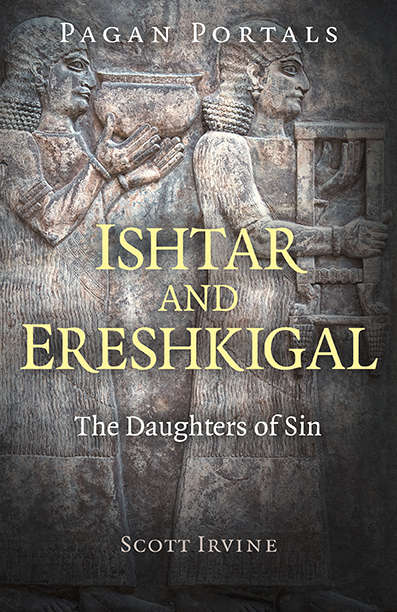
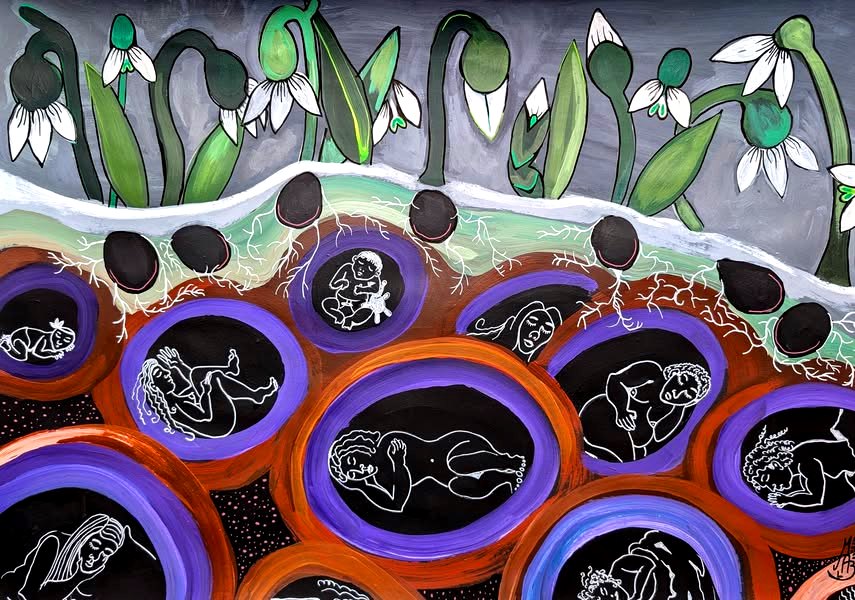
With Dumuzi absent from the land of eternal summer, nature, without the spirit of rebirth began to whither, the land began to die and Earth’s creatures began to starve. The Sun God Utu had to step in if the world was to saved, turned Dumuzi into a snake so he could escape up through the ground and restore order. Ereshkigal was incensed and demanded justice if the balance of life and death was not restored at once. The Queen of Darkness threatened to release the spirits of the dead to the surface to feast on the flesh of the living if her demands were not met. A life for a life and nothing less. With the Earth dying and nature unable to provide its inhabitants, Enki had no choice but to deal with his brother’s granddaughter Ereshkigal. Despite being the most powerful Anunnaki God, Enki feared Ereshkigal’s power over death from which there is no cure, only magic and deals with the Dark Queen. Inanna had grown greedy and life on Earth was paying for it. A deal was finally made that Dumuzi would spend six months with Ereshkigal to coincide with the winter months between the last harvest and spring allowing the land to recover and regenerate and six months with Inanna over the summer to fertilize the land and bring it to harvest. The cycles of the seasons were born, people began to construct stone monuments to record the passage of time, gave offerings and made oaths and sacrifices to the Gods.
The Akkadians conquered Mesopotamia 1,000 years later bringing a Semitic tongue and thought with them. The Goddess of Love becomes Ishtar, a more refined and beautiful, gentler and wiser Goddess than her predecessor. When Ishtar’s husband Tammuz is killed during a boar hunt, the Queen of Heaven passes through the seven gates as before, leaving an item of attire at each one, determined to get him back. Standing before her sister, naked, Ishtar is struck dead by Ereshkigal’s gaze and placed next to her husband’s corpse. With the Fertility God and Goddess both absent from the surface, the world began to die. The wizard Enki employed a eunuch to retrieve them and restore the spirit in nature. As part of the deal between Enki and Ereshkigal, Tammuz was ordered to reside in the underworld over the winter and return for the summer. The Babylonians were instructed to honour Ishtar and Tammuz with offerings and sacrifices to ensure their reunion.
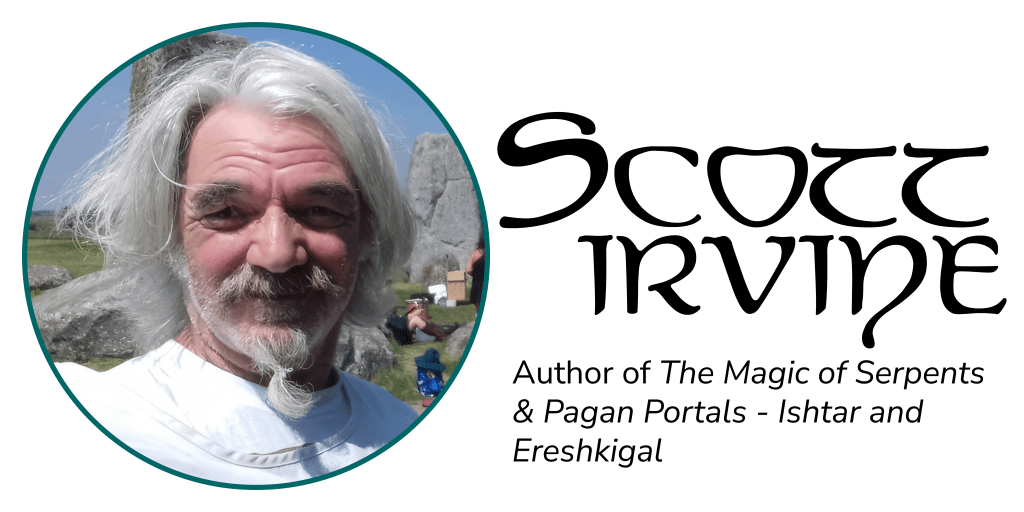
Scott Irvine has followed the path of the goddess since exploring the many goddess temples on the small islands of Malta and Gozo off the Sicilian coast in the Mediterranean Sea, igniting her spark within him in the spring of 2010. He has contributed to a number of anthologies, including Paganism 101, Naming the Goddess, and Seven Ages of the Goddess, as well as publishing articles on the Moon Books blog.
For more details: https://www.collectiveinkbooks.com/moon-books/our-books/pagan-portals-ishtar-ereshkigal
 The Pagan Collective
Leave a comment