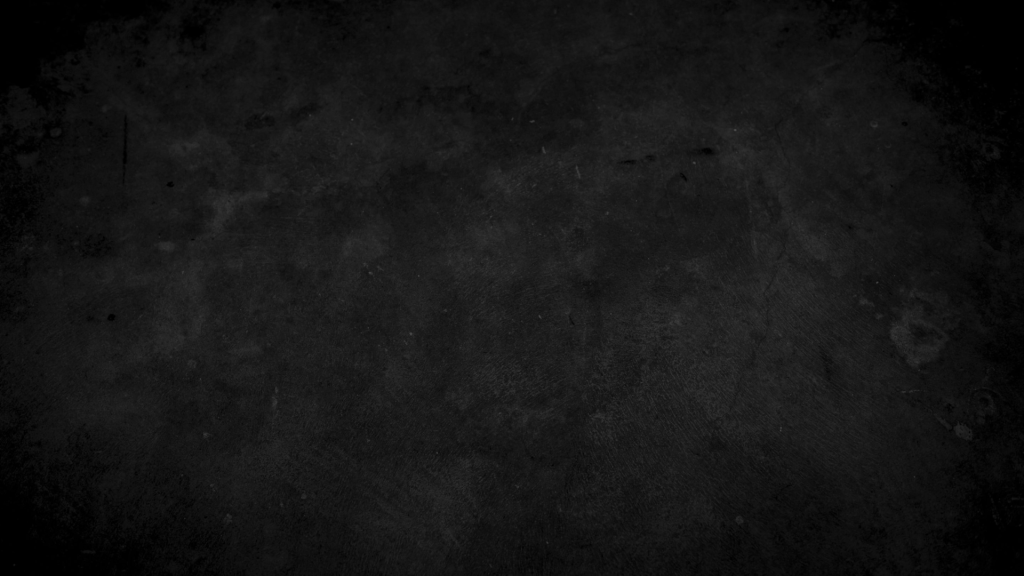

Interview by Thea Prothero, author of Pagan Portals Pilgrimage
This is my third in a series of interviews with people who either featured in my book or were inspired by my book, A Guide to Pilgrimage, published exactly six months ago, last year in the Pagan Portals series by Moon Books. These interviews are a way of digging deeper into the various aspects of pilgrimage and a way of highlighting what it means to different people.

The idea is to inspire you, dear reader, to consider pilgrimage as an act of devotion, or a way of connecting to the world around you, now or in the future.
As I mentioned, my book, A Guide to Pilgrimage has been released into the world for six months this weekend! So Happy Half-birthday and thank you to everyone who has bought a copy. If you have a copy then, you will likely recognise Scott’s name. He is one of the wonderful people I interviewed about their take on pilgrimage today. Since I first met Scott, (over six years ago at one of his events with the Taibhsear Collective, in Edinburgh,) he has always been generous with his time and was kind enough to help with my own research into pilgrimage.
Anyone who isn’t aware of Scott’s work, please check out his website: http://www.cailleachs-herbarium.com, which is filled with fascinating articles and interesting information about Scottish folk-magic, herbalism and folk beliefs. Its a huge body of work and one which I know Scott is most proud of.
Here’s a snippet of the interview with Scott from A Guide to Pilgrimage about his visit to Tigh Nan Bodach:
“Tigh Nan Bodach an ancient pagan shrine in the valley of Glen Lyon in Perthshire, reputed to honour the ancient Goddess, the Cailleach. Pilgrimage does in a way hold a special place in my practice. It was taking a pilgrimage up to see the Tigh Nan Bodach, which became the inspiration for my writing and focus on reciprocity and land use. The pilgrimage to the Tigh na Bodach was a very special moment for me, and I’ve since been back twice with other people. It was at the very early start of me exploring Scottish folk magic and traditional practices. I had no idea why I needed to go there; I figured it might be nice to be able to provide a wee account of the place for others who may wish to do the same. I’ve always been drawn to the Cailleach in our landscape and so set off hopeful that we would have good weather…”
I started by asking Scott about where his interest in folklore began:
“Ah, that’s a great question! I’d say my connection with folklore unfolded slowly over many years. From a young age, I was absolutely captivated by nature. I remember vividly how we’re shaped by it. Some of my earliest memories are of walking through golden autumn woods on the way to harvest festivals as a child. I grew up on the edge of a large forest, and funny as it sounds, my imaginary friend was the wind. I would talk to it from my bedroom window as it whistled by, as though it were part of the family, answering my questions with its roars and whistles. It might seem naive now, but those memories are still so real to me.
I also remember a theatre group visiting my school with a play about global warming. Only the top students were picked to take part – I wasn’t one of them, ha! And I was so jealous of their “ozone dance.” That was my first moment of worrying about climate change, and I became fascinated with protecting the ozone layer. That early awareness of the environment really shaped me as I grew, along with my relationship with nature, which deepened when I became a teenager. I met others who shared that connection and eventually became part of a small coven. Back then, it was hard to find such communities without the internet.
My connection has always been there, growing and evolving with me. In the late ‘90s, I moved back to Scotland. I was born in Oban, but we moved to England because of my dad’s job. My mum’s family is very Scottish, and my dad’s very English—so I like to think I’m a working-class blend, just like most folk on this island. My mum, though, was always hesitant to talk about her “Scottishness” and the culture she grew up in. When I returned to Scotland, I began to realise that the “paganism” I’d learned in England was quite different from Scotland’s history and traditions. That was the beginning of me questioning the ideologies I’d come across in pagan writings at the time.
It wasn’t until I went to university, where I was studying to be a social worker, I truly started to appreciate the unique relationship my Scottish family and others had with the land. I stumbled upon archives filled with the stories of a way of life that felt almost lost kept in the ivory towers of academia, yet no one was talking about it. This was the start of my journey to where I am today. The second turning point was visiting the Tigh Na Bodach near Glen Lyon, Scotland’s oldest animist shrine. The whole landscape inspired me to start making my writing about these subjects public in a way I hadn’t before.”
We then go on to his soon to be released book, Milldust and Dreaming Bread – which is a truly extensive and wonderful resource on Scottish folk customs and magic. I highly recommend this book to everyone.
You have mentioned on your page that it took you around a decade to write your book. What would you say has been the most challenging part, and which aspect has been the most rewarding?
“There have been so many challenges along the way. I think one of the hardest things has been unlearning the misconceptions about Scottishness and Scottish culture that I grew up with. I also had to detach myself from some of the historical inaccuracies that are often found in witchcraft, Druid, and other pagan movements. They can bring biased or romanticised perspectives that don’t align with the reality of folk traditions. When you’ve absorbed certain ideas from a young age, they can start to feel like absolute truths. So, a lot of my work has involved untangling that and trying to present a more accurate picture, even if it’s not always popular with those who still hold on to those old beliefs.
But that’s also been the most rewarding part. Taking the time to sift through all the noise and ensuring what I’m sharing is as truthful and grounded as possible has been hugely fulfilling. It allows me to offer fresh insights and new ways of understanding each other, our land, and the sacred and profane relationships we desperately need to explore in today’s world. We can’t afford to romanticise the past. We need to learn from it, adapt what works, and combine it with our modern understanding to tackle the problems we’ve created. We’re at a turning point now. The ozone dance I once envied as a child is nearing its final verse—and if we don’t act, we’re in real trouble.”
You have said before that people often lose touch with the land and its stories, which feels especially true in today’s tech-driven world. How do you personally stay connected to the land and its folklore, and how does that play out in your everyday life? Do you think this disconnection from nature impacts mental health and wellbeing?
“I think to be truly connected to other people, we also have to be connected to the land we’re on. The land holds its own stories, and so do the people who live on it. We are nature, as much as the “wild” is, but we’ve forgotten that. Technology has brought us closer to each other than ever before, and that’s a wonderful thing. But sadly, the stories we share aren’t always about the land or the environment—they’re often about politics, celebrities, division, and consumption. These are stories created by a society sick with materialism, one that’s lost touch with the earth. And that, to me, is a tragedy.
The disconnection from nature and other people has a massive impact on our mental health and wellbeing. Losing touch with the stories of our working-class roots has left us vulnerable to the narratives of the castle, church, and empire—stories we’ve been told are true, often without any counterpoint. I believe returning to the stories embedded in the land can teach us survival, resistance, and resilience. They can offer a different perspective, one that helps us cut through the noise and find something more genuine, more rooted in community.”
You describe your book as a journey—does it have an ending, or is it an ongoing process? And what comes next once the book is out?
“It’s always a journey, isn’t it? I don’t think it will ever end, if I’ve got feet to move and a curious mind. I’m far too nosy to stop learning, reading, and exploring! I also reserve the right to change my mind as I learn more. In a way, a book is like a bookmark in that journey, a kind of snapshot of where you are at that time, a typographical way marker I guess. I hope my book becomes a resource that people can come back to, something they can use as a starting point for their own journeys. I’d love to see people taking the ideas in it and running with them, adapting them, challenging them, and using them to explore Scotland’s relationship with power, control, and the landscape.”
Could you share a bit more about the book’s content with us? Perhaps a few words?
“Of course! The book is a blend of non-fiction and storytelling. I like to say it’s a work of “literal non-fiction” because, in our culture, stories and facts are often intertwined. The book is divided into three parts. The first part explores the history of our folk magical traditions and how they came about. The second part looks at the practices themselves, but it’s not a “how-to” guide. It’s more of a “why” book, delving into the theories and thinking behind these traditions. The final part explores our folk calendar and the traditions surrounding it, building on the earlier sections to bring the theories to life.
The title of the book combines a couple of ideas. Mill dust is a homage and play on words referring to the Quern Dust calendar by Raghnall MacilleDhuibh (Ronnie Black) in the West Highland Free Press on various subjects relating to Gaelic tradition. It relates to the traditional dance carried out at the end of the harvest dedicated to the Cailleach called Cailleach of the Mill Dust. Dreaming bread is a folk magic practice where you would eat salty bread before bed which would give you dreams of the future and is a shout out to a colleague Amanda Edmiston who I first learned this from and the events we put together as the Taibhsear Collective.
If anyone’s curious, they can check out the Kickstarter page to download some chapters and get a sneak peek!”
Turning to pilgrimage again, in the book interview you mentioned that you would like to walk St Cuthbert’s Way. How did it go?

“I spent a last few days haphazardly walking the Scottish borders earlier this year and following the St Cuthbert pilgrimage route arriving in Lindsfarne, or holy island.
Following the St Cuthbert pilgrimage route arriving in Lindsfarne, or holy island.
Absolutely beautiful pilgrimage route – though I didn’t manage to walk all of it. So much history along the way you really get a feel of the multi-layered histories of the Angles, Saxons, Romans, the old north and the Norse all interplaying here along with the stories of rievers and the friontier the Scottish borders was. All taking place along Munro, river and glen and between the liminal space of the Scottish and English border.
Dedicating time to yourself to just be alone and do your own thing is a panacea. I’m lucky to be able to have the space for my own alone time like this but I make it a priority as its important to me. It really helps me to work through stuff and provides clarity.
In a folk magic sense – you can dedicate the time and effort of your walk to other endeavours other than saints – some obviously choose to do this to be closer to a chosen saint, like St Cuthbert, (an environmentalist before they existed – otters dried his feet in one tale – so cute!) or you can choose, like me to dedicate it to other spiritual endeavours closer to your heart.
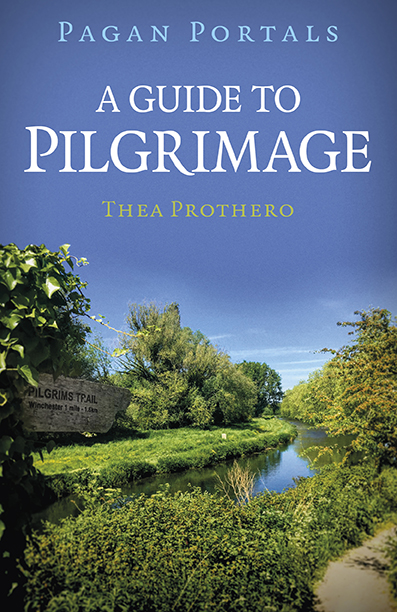
To me, walking the land like this is a folk tradition and has folk magic at its heart. Or you can start walking with a question and have a resolution at the end of your journey.
I really recommend the route through the cheviots, its beautiful and once you finish on holy island there is all the mead you can drink and really friendly folks.”
Thank you Scott for your time and continued support along the way.
Dont forget to check out Scott’s website, http://www.cailleachs-herbarium.com and buy his book, ‘Milldust and Dreaming Bread’ which is available to purchase on Scott’s website and selected independent bookshops.
Please also check out my review of ‘Milldust and Dreaming bread’ on my blog : https://heathenpilgrim.substack.com/p/folk-belief-at-its-best
And if that’s not enough, both Scott and myself will be appearing at the Scottish Pagan Federation conference ‘Lifting The Veil’ on 24th October in Edinburgh. For more information, please check out the website: https://scottishpf.org/events/conference-2025/
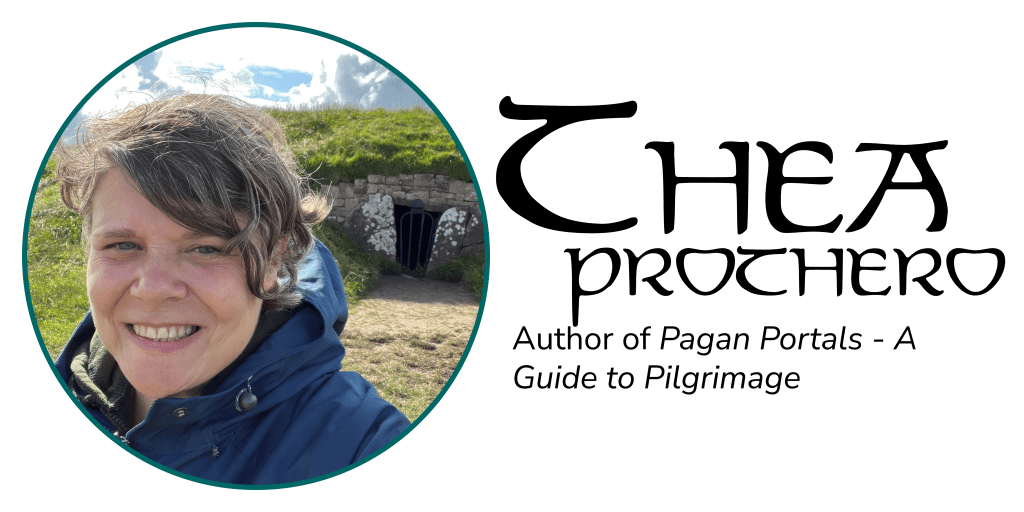
Thea is a Heathen and a pilgrim. She likes to think of herself as a Nemophilist, which means a ‘haunter of woods’. She spends most of her free time walking in the wildest remotest lands, places that still make the gods tremble, and she loves the challenge of finding connection through nature to the divine. She writes prolifically, read equally, has a passion for learning, taking photos, grow things, and spend time with her family. she works in education and lives in the south of the UK.
For more details: https://www.collectiveinkbooks.com/moon-books/our-books/pagan-portals-guide-pilgrimage
 The Pagan Collective
Leave a comment