
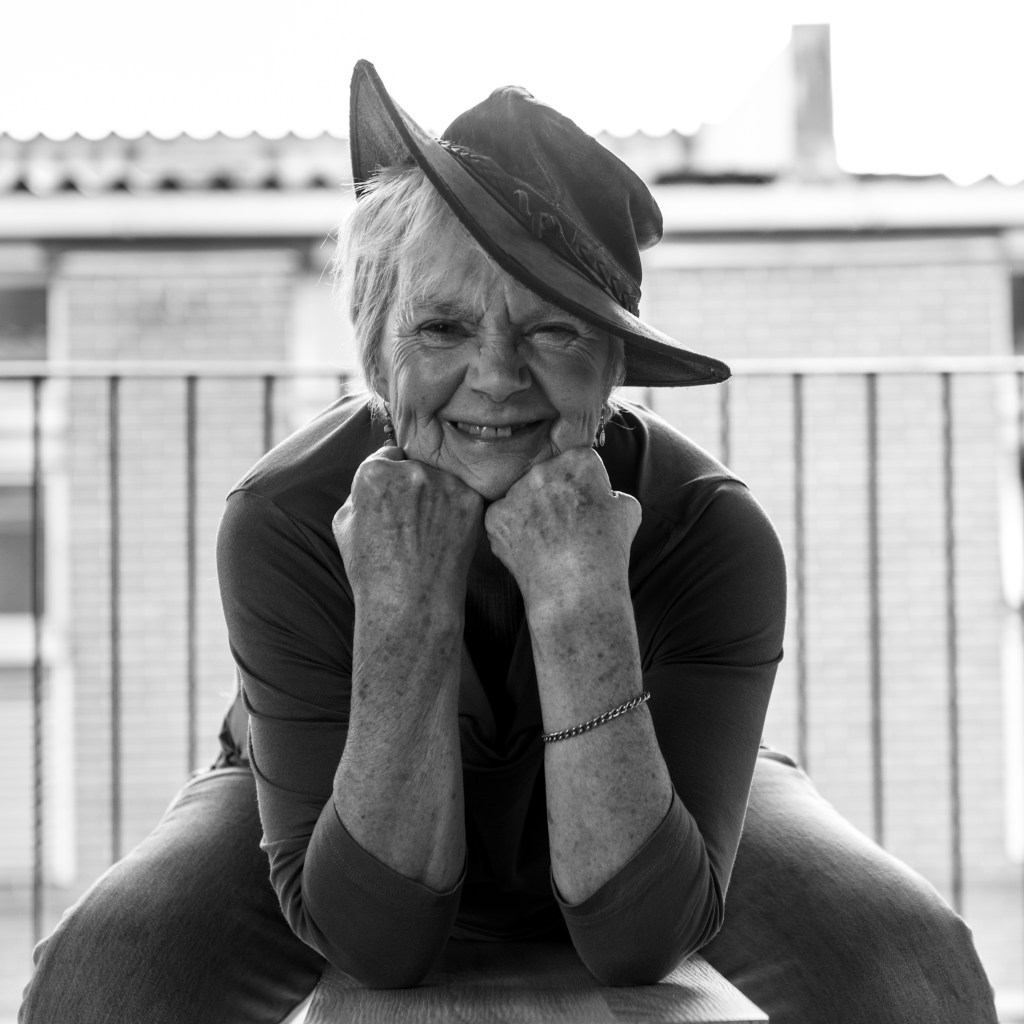
Can you tell us a little bit about yourself?
I’m the founder of Ariadne’s Tribe, a worldwide inclusive Minoan spiritual tradition. In that role I also lean on my experience as a third degree Wiccan priestess and Reiki master. I write pagan and magical-themed books, both fiction and non-fiction, and I create art, from book covers and interior illustrations to stand-alone paintings. In my spare time I love to putter around the herb and vegetable garden. I also volunteer as a living history demonstrator (heritage interpreter), doing all kinds of pre-modern domestic activities like weaving, spinning, and hearth cooking.
How would you describe your spiritual pathway?
Although I’m best known for “that Minoan stuff,” my personal spiritual path is quite eclectic. My practice, first of all, includes my ancestors, the ones on whose shoulders I stand; without them, I wouldn’t be here. I also have connections with deities from multiple different cultures and continents, reflecting my mixed ancestry as well as my desire to honor and respect the land where I now live.
How and when did your spiritual journey begin?
I’ve always been pagan, if I’m honest, though I didn’t always use that term. I spent much of my early childhood wandering around the fields and forests of my family’s farm, where my grandfather taught me how to listen to the land and my grandmother showed me how to listen to my heart. I’ve had spirit guides since I was a child, and when I discovered the local pagan community as a young adult, I felt like I had finally come home.
How important do you believe myths and legends are and what can they offer us in modern times?
The stories we tell shape the world we live in by influencing our ideas of what is possible. In any age, myths offer us a vision of who we can be and how we can unlock life’s potential. You don’t have to believe in literal gods and goddesses to understand that the tales of their adventures encompass archetypes and paradigms that can show us the way to become better individuals and build better communities and societies. Of course, a belief in the divine adds another dimension – a valuable one – to those visions of possibility.
How did the Minoans find their way into your spiritual pathway?
Quite by accident, or so it seemed at the time! I was sitting in a high school art history class, looking at the color plates in our textbook as the teacher lectured about the art we were looking at. I turned the page to the Minoan Bull Leaper fresco – the wall painting that shows three athletes in various stages of leaping over a charging bull – and I got goosebumps all over. That was the beginning. Back then, there was no internet, so I had to satisfy my curiosity with the information I could find at the library. When the internet came around, I was delighted to be able to access so much more material, not just about Minoan culture, but also about Minoan religion. Then I was able to properly include the Minoan deities in my spiritual practice instead of just dreaming about it.
Do you work with any one specific deity?
I work with a variety of deities from different pantheons, but I have especially close connections with a handful of deities, including the Minoan sun goddess Therasia and the Minoan gods Dionysus and Tauros Asterion. I also have a deep connection with the Minoan fate goddess Arachne, to the point that I have agreed to have her name as one of my ritual names.
How do you incorporate your spirituality into your daily life?
My daily spiritual practice is pretty informal. I don’t generally do anything that could be categorized as “proper ritual.” I have altars all over my house, and much of my work life (writing, art, editing) revolves around my spirituality. So instead of incorporating my spirituality into my daily life in specific ways, I’d say it’s more like my spirituality just permeates my daily life in an organic way. I find myself having conversations with my deities as I go about my daily tasks, in what you might think of as casual prayer, though I try to listen more than I talk. I make offerings to them as it feels appropriate (or if I happen to walk past an altar carrying food they like!). I try to arrange my days so that I’m not so much performing spiritual acts as simply living a spiritual life.
Do you have any daily spiritual practices that you work with?
My one constant is that I light a candle for my ancestors on their altar every evening near sunset. All my other spiritual practice ties into that act, since all the pantheons I work with are from cultures whose people are my ancestors in one way or another, either literally (deities from cultures that my biological ancestors were part of) or figuratively (my “spiritual ancestors”).
Who or what inspires you on your spiritual journey?
Besides the deities, my ancestors, and my spirit guides, I’m constantly inspired by the people who are working so hard to help restore balance in the world, to bring back reverence for the Earth and its many wonders as well as respect for our fellow human beings. We are a community, not just us humans but all living things, and those who work to spotlight and safeguard the connections we all have are so very, very important.
What new projects are you currently working on?
For the past couple of years, I’ve been busy with non-fiction projects, including Pantheon – The Minoans, my entry in the Moon Books Pantheons series, which I’m delighted to be included in. I’ve been steeped in that kind of writing for a while, so I’m shifting gears now and am working on a new historical novel, set in ancient Egypt during the Amarna era, including a few names people might find familiar: Akhenaten, Nefertiti, and Tutankhamun.

 The Pagan Collective
Leave a comment