

I was born and raised in the Netherlands, but I have always felt “homesick” for Scandinavia. I think this is something to do with a previous (and very happy) life or incarnation. Fortunately, I married a Swedish man, and for four decades I have spent far more time in Scandinavia than in the Low Countries.
Because I am a teacher of Seiðr and Old Norse Traditions (the ancestral wisdom teachings of Northern Europe), people often ask me casually: what is the Scandinavian equivalent of Imbolc?
This is because further south, (so-called) spiritual people happily follow something called “The Wheel of the Year”. I personally think of the runes (of the Elder Futhark) as a wheel that keeps on turning (and tells the story of Creation), but I don’t use the wheel-of-the-year as a concept in either my personal life or in my classes.
Further south, in a more temperate climate, the seasons are more evenly spaced. Imbolc is a Celtic festival, celebrated around February 1st. It marks the halfway point between the winter solstice and spring equinox, and it marks the first stirrings of spring: the first flowers providing a splash of colour and fertility (many animal species are pregnant). After a cold, dark and bare winter, it celebrates new life and new beginnings.
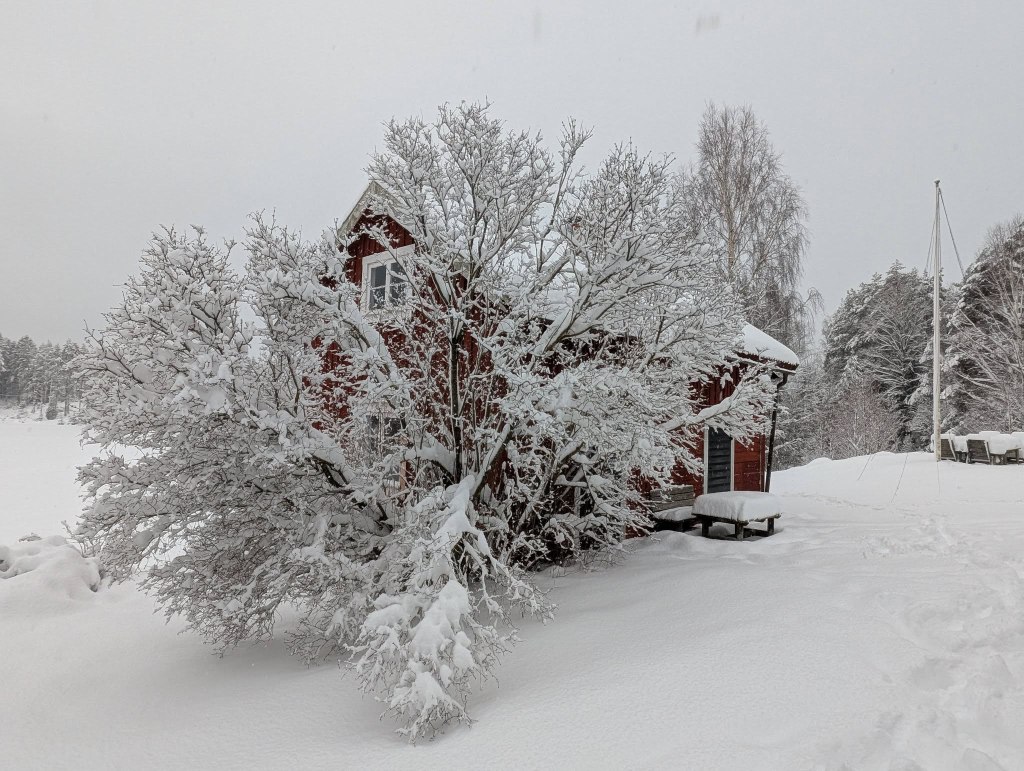
However… Here in Sweden, February is one of the coldest months of the year. The land is still under a thick coat of snow and ice. The first signs of Spring won’t appear until late March or early April (if we are very lucky). In reality, we have had as many white Easters as white Christmases, here at our Forest House (also my Forest School). Spring usually explodes onto the scene in May, and everything then happens at once.
Our neighbour (a retired sheep farmer) speaks fondly of the period ”mellan hägg och syren”. This is a line taken from a poem. Literally, it translates as “between the bird cherry and the lilac (tree)”. It refers to a period where trees are flowering, and the hedgerows burst forth with colourful flowers too. This usually happens the last week of May or even the first week of June. It is a very magical period as darkness disappears and Scandinavia enters the period of 24/7 daylight. It is a very compressed and intense experience of Spring.
Sweden is a very large and long country. It borders Germany in the South and stretches all the way to the Arctic. So obviously, the exact timing of spring arriving depends on latitude. I have been told that in the far North, it is not uncommon to still have small mounds of snow in the shade on Midsummer Eve!
All this is just to illustrate that the Wheel of the Year becomes, at best, an “Oval of the Year” in Scandinavian countries. The first snow often falls in October, and the last snow (of the Winter Season) falls in April. The winter season and the summer season are not of equal length. The summer holidays in Sweden are scheduled in July. By August, dark nights return (I always celebrate the day that the stars reappear!) and there is an autumnal feeling: mushrooms appear everywhere, it gets colder again.
This is not to say that you cannot have a gorgeous “sensommar” or “Brittsommar” (Indian summer) this far North. It can be very beautiful, but the nights are cold and the evenings carry that little shiver, the promise of night frost and another 8-month winter.
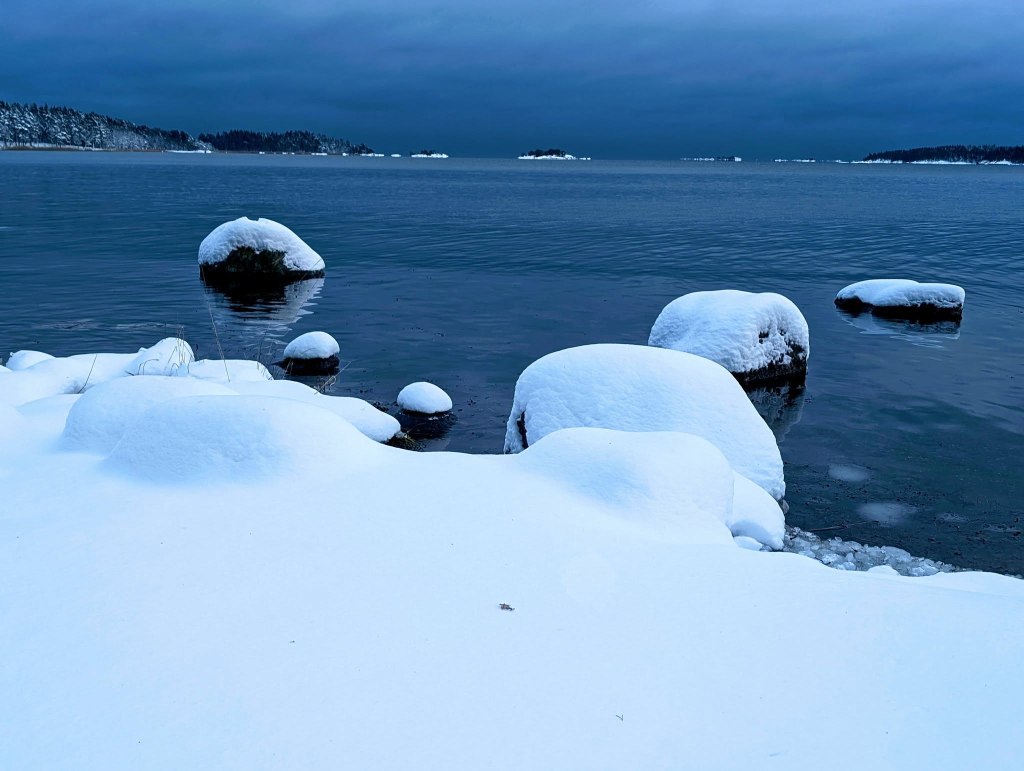
So Imbolc is “not a thing” in Scandinavia, but we do have a Dísablót (offering ceremony for the female deities, ancestors and spirits) and Disa Dag (a day dedicated to the same beings). This usually happens during the first week of February (but it is often linked to the full moon, so it shifts about). It is the counterpart of the Álfablót. The Oldr Norse word Álfablót literally means the Sacrifice to the Elves or the Offering Ceremony for the Elves and is focused on the male ancestors, deities and spirits.
You can put together a Wheel of the Year, but, depending on exact location and latitude, it will contain an 8 or 9-month winter period, which pulls everything out of balance, compared to the temperate south.
If you go even further north (above the Arctic Circle and into the territories of the Sámi people and Inuit people), phenomena that we (further south) take for granted do not at all behave in the way we base our calendars and sense of reality on. Summer shrinks to just a few weeks in July. A limited number of star constellations spin around the Pole Star without ever setting (but the Inuit never see all the other Northern Hemisphere constellations). The Milky Way isn’t a major feature of the night sky because the Inuit barely see a glimpse of it in the Far North.
So Imbolc in Scandinavia? Not really, but we adore the time “mellan hägg och syren”!
For more details: https://www.collectiveinkbooks.com/moon-books/authors/imelda-almqvist
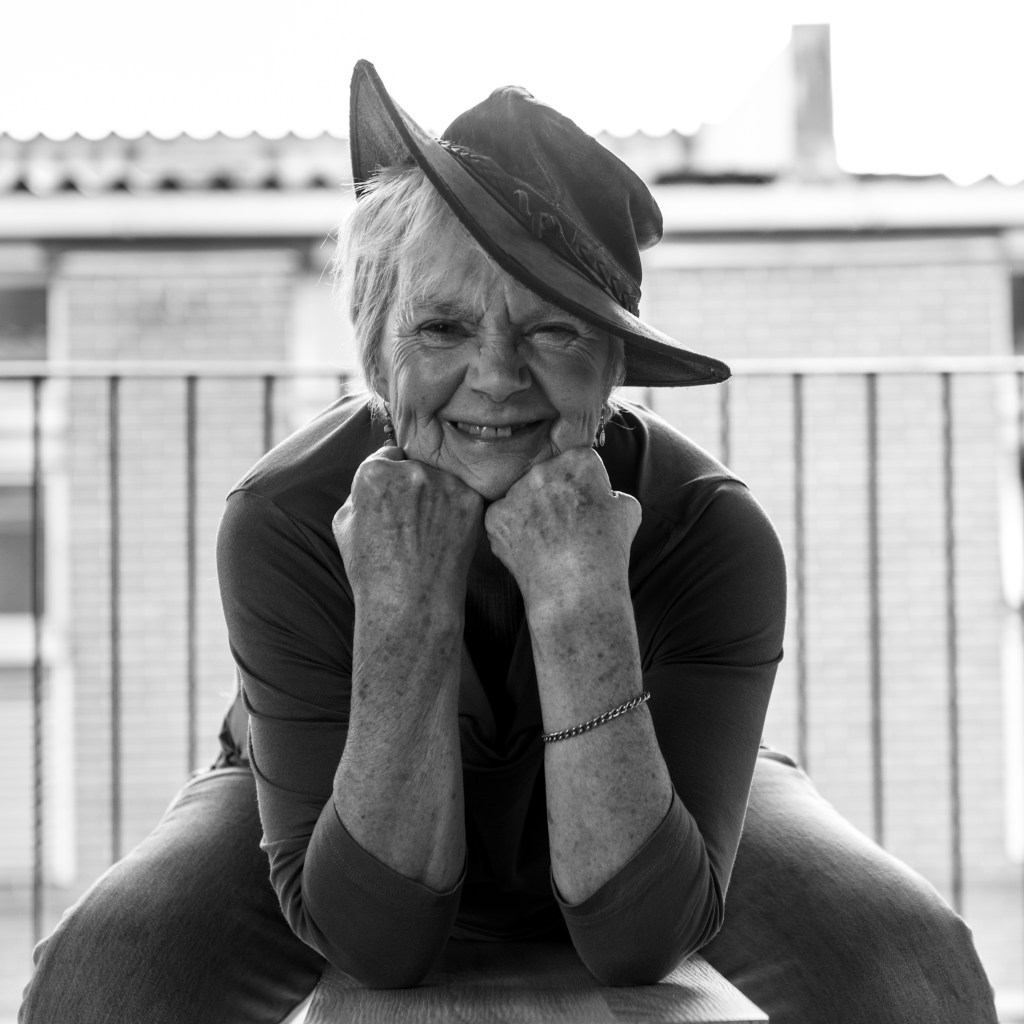
Imelda Almqvist is an international teacher of Sacred Art and Seidr/Old Norse Traditions (the ancestral wisdom teachings of Northern Europe). She has published three books: Natural Born Shamans: A Spiritual Toolkit for Life (Using shamanism creatively with young people of all ages) in 2016, Sacred Art: A Hollow Bone for Spirit (Where Art Meets Shamanism) in 2019 and Medicine of the Imagination – Dwelling in possibility (an impassioned plea for fearless imagination) in 2020. She has presented her work on both The Shift Network and Sounds True. She appears in a TV program, titled Ice Age Shaman, made for the Smithsonian Museum, in the series Mystic Britain, talking about Neolithic arctic deer shamanism. Her fourth book, about the pre-Christian spirituality of The Netherlands and Low Countries, has just gone into production. She has already started her fifth book: about the runes of the Futhark/Uthark. In response to the 2020 pandemic she has opened an on-line school, called Pregnant Hag Teachings, to make more of her classes available on-line. Website: http://www.shaman-healer-painter.co.uk Online School: Pregnant Hag Teachings https://pregnant-hag-teachings.teachable.com/courses/

 The Pagan Collective
Leave a comment