

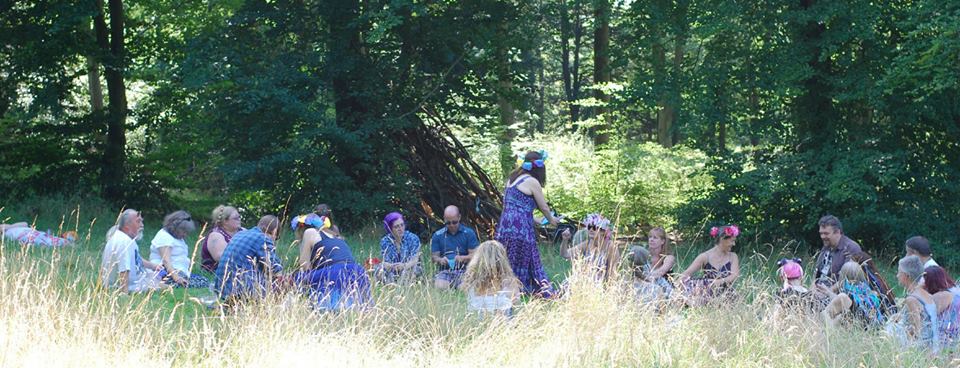
Standing-only rituals are one of the access barriers we encounter most often in pagan communities. Those who aren’t used to thinking about access needs may be surprised by how many of the people around them have difficulty standing for a long time. Making sure our rituals are chair-friendly is an easy way to create more accessible communities.
Why can’t people just stand?
There are lots of reasons someone may need a chair for a ritual. They may have mobility issues, meaning they have trouble walking or moving without assistance. They may have joint pain from ageing-related conditions like arthritis. They may be at risk of passing out if they stand for too long or get up too quickly, as with POTS and other types of dysautonomia. They may have an injury that makes standing awkward or painful, or they may have pregnancy-related back pain. They may simply have had a long day and need to let their body rest.
This isn’t a matter of people being lazy or uncompromising. We do not control our disabilities, and we do not get to choose what support our bodies need.
In pagan spaces, there is a tendency towards outdoor settings for rituals. This is a wonderful thing, especially for those of us who practice animist or earth-centered forms of paganism. But it does mean that accessibility is sometimes overlooked in favor of a beautiful natural setting. This makes community worship, which is a vital part of human spiritual life, inaccessible to those who can’t physically get to these spaces. As ritual organizers, we can do better.
Keeping in-person rituals chair-friendly
The first step to chair-friendly ritual is to make sure that we can physically get chairs to our ritual space. This is going to be difficult if our ritual site requires an off-trail hike up a mountain or is at the top of many flights of stairs. We should also consider whether our ritual sites are accessible for participants who use wheelchairs, scooters, canes, or other mobility aids.
If it is important to you that your ritual be outdoors, choose a space that is accessible and easy to set up in. Check with local parks and nature reserves for short, paved trails, and choose a spot on level ground that can be easily reached from the trail.
It can be helpful to ask participants ahead of time if they will need a place to sit during the ritual. (This should be an actual chair, bench, or seat, not sitting on the ground!) If at all possible, organizers should provide seats for those who need them. If this is not possible, communicate to participants that they are invited and encouraged to bring their own seats. Lightweight camp chairs work well, as they can be folded up and carried to and from the ritual site.
We should make sure we are writing our rituals with the understanding that some participants will be seated. Chairs should be included in sacred space, not pushed to the side. If our ritual involves movement, such as ecstatic dance, we should make sure to include options for those who need to remain seated, such as waving and fluttering their hands in time to the music.
If anyone performing a ritual role needs to be seated while doing so, we can make sure things flow easily by confirming that any sacred tools they will be using are easily within reach. I often use folding tables to keep ritual tools handy.
Keeping online rituals chair-friendly
In some ways, it is easier to make online rituals chair-friendly because the assumption is that participants will be sitting at their computer during the ritual. But there are still some best practices we can follow to keep our online spaces accessible.
Some participants may not be able to get up and down during the ritual. For this reason, it is important to let everyone know ahead of time what they will need to have on hand. For example, if I am asking participants to light candles at some point during the ritual, I can communicate ahead of time that they will need to have a candle within reach.
What if a chair isn’t enough?
All of this is great, but access needs are not one-size-fits-all. Although a comfortable chair meets many people’s needs, some folks can’t sit OR stand for long periods.
I have personally experienced this. In 2022, I experienced nerve damage in my hips and lower back that made sitting up straight extremely painful. I was only able to find relief when lying down flat. While that nerve pain was thankfully treatable, I still sometimes have days when sitting up for a long time is uncomfortable.
For those who can’t sit up for a long time, the only way to participate in a ritual may be by reclining or lying down. As ritual organizers, we can meet these needs with compassion and try to accommodate them as best we can.
It is not uncommon in online Reclaiming rituals to see someone lying down in bed or propped up by pillows. Every time I see this, I am reminded how blessed I am to be part of a community that works so hard to meet people where they are, whatever their needs may be. It gives me hope that we will continue to find ways to eliminate access barriers and create truly inclusive spaces.
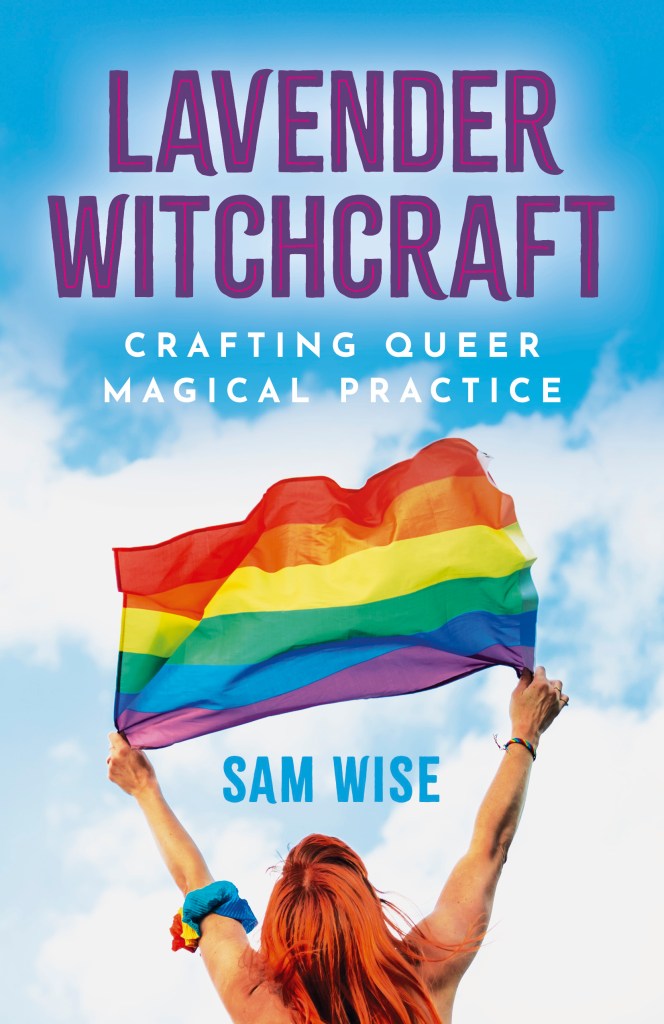
For more details: https://www.collectiveinkbooks.com/moon-books/authors/sam-wise



 The Pagan Collective
Leave a comment