

These Pagan Portals are all current works in progress, serialised here on the Pagan Collective blog with each chapter being open for comment. In due course the entire script will be published as a Pagan Portal book.
Lilith Across Time
‘In the beginning, the Lord God formed Adam and Lilith from the dust of the ground and breathed into their nostrils the breath of life. Created from the same source, both having been formed from the ground, they were equal in all ways.’
(Plaskow, 1972, ‘The Coming of Lilith’)
Lilith’s name echoes within the vaults of ancient memory, carried across deserts and seas, appearing in texts, inscriptions, amulets, art, and songs. She has been decried by some and heralded by others. She is a fascinating and complex character whose origins are rooted deep within the annals of history, yet who exists to this day as a myth, a warning, an icon, a Goddess even, of powerful significance within modern imaginations. Her story and influence have withstood the test of time, surviving as a character in a constant state of flux and transformation, adapting to the needs and fears of the cultures that have encountered her.
This book will humbly attempt to retrace Lilith’s steps, following the sound of her wingbeats, back to the earliest point where she appears in the written record (that we so far know). It will journey across time to the present day, witnessing the shifts in the way that humanity has interpreted the intense Being that encapsulates Lilith. From a horde of demonic entities who brought devastation in their wake, to a seductive temptress of ill intent, our understanding of Lilith travels to the present day, where Jewish feminists praise her defiant independence, and where Pagan devotees celebrate her as the embodiment of emancipated female power and sexuality. Whether revered or reviled, none can deny that Lilith represents an awesome, ancient feminine power.
For clarity, this book will capitalise ‘Lilith’ when referring to the individual character/Goddess; the lowercase will be used when referring to ‘lilith’ as a category of demon or the transliterated rendering of the Mesopotamian, ‘lilitu’ and ‘lili’. Though Lilith’s history will be outlined in more detail in the chapters that follow, an explanation is warranted here so that readers have an introductory sense of Lilith before we begin.
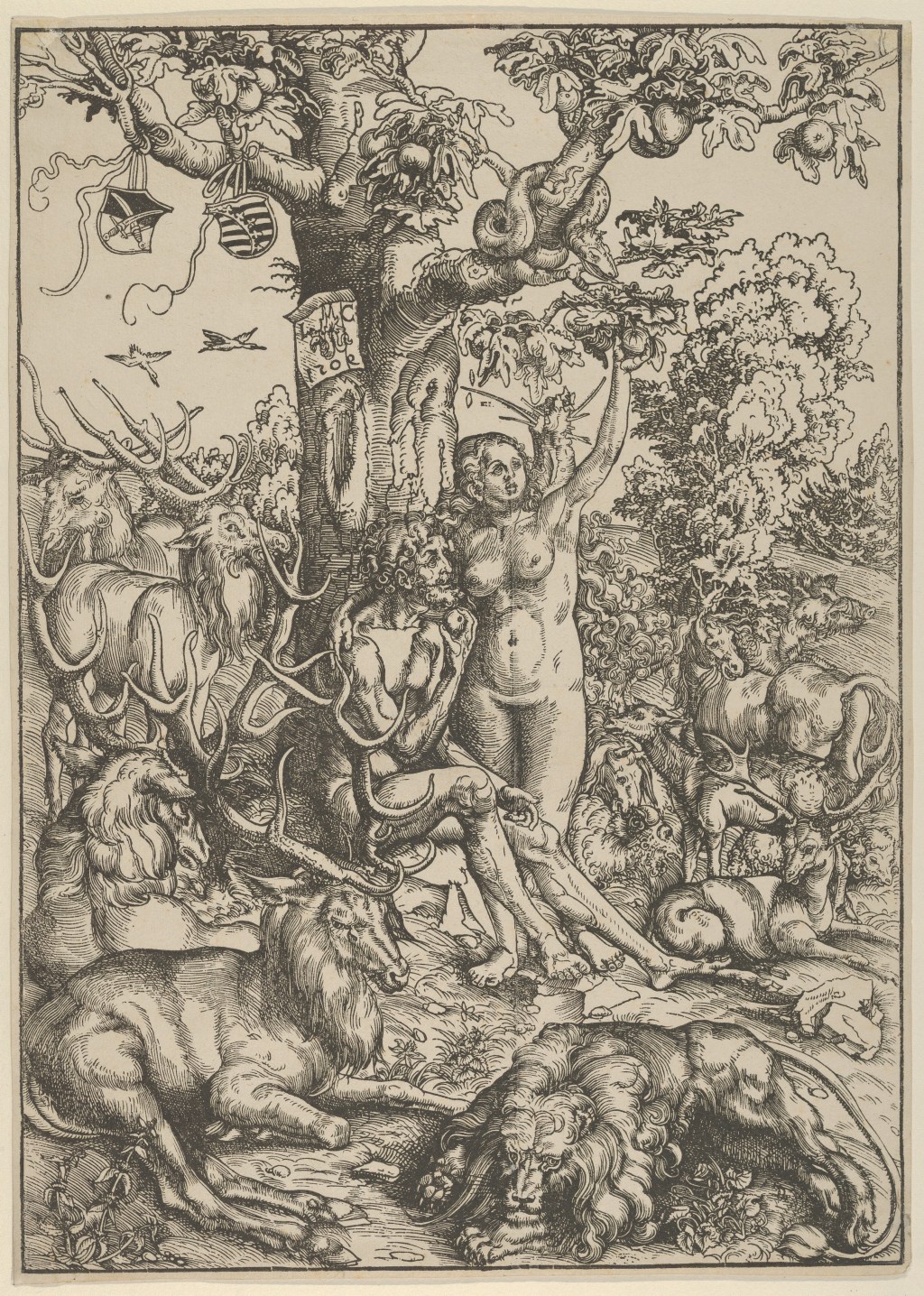
Today, Lilith is most succinctly recognised as the name of Adam’s first wife, the first human couple, according to the Book of Genesis from the Torah and the Bible’s Old Testament. The abbreviated story goes that Lilith and Adam were created equal and placed within the Garden of Eden to be the first woman and first man, the original mother and father of humanity. It is alleged that, from the very start, the couple fought over who would have the dominant position during sexual intercourse, neither agreeing to lie beneath the other. Considering this an act of submission in a pairing that ought to be equal in all ways, Lilith refused and decided to leave the Garden, taking flight and pronouncing the forbidden name of their Creator in her anger. As punishment, the Creator declared that if she did not return, then a hundred of her offspring (she coupled with other entities during her exile) would die every day. Despite being pursued by angels, Lilith refused to return, becoming a destructive demoness who promised to cause sickness in human infants who were not protected by amulets bearing the angels’ names. Some writers have also interpreted Lilith to be the true identity of the infamous serpent who tempted Adam’s second wife, Eve, to eat the forbidden fruit in the Garden of Eden. Whether acting in spite or seeking to show Eve the truth is debated; however, Lilith’s presence loomed over the fate of humanity thereafter.
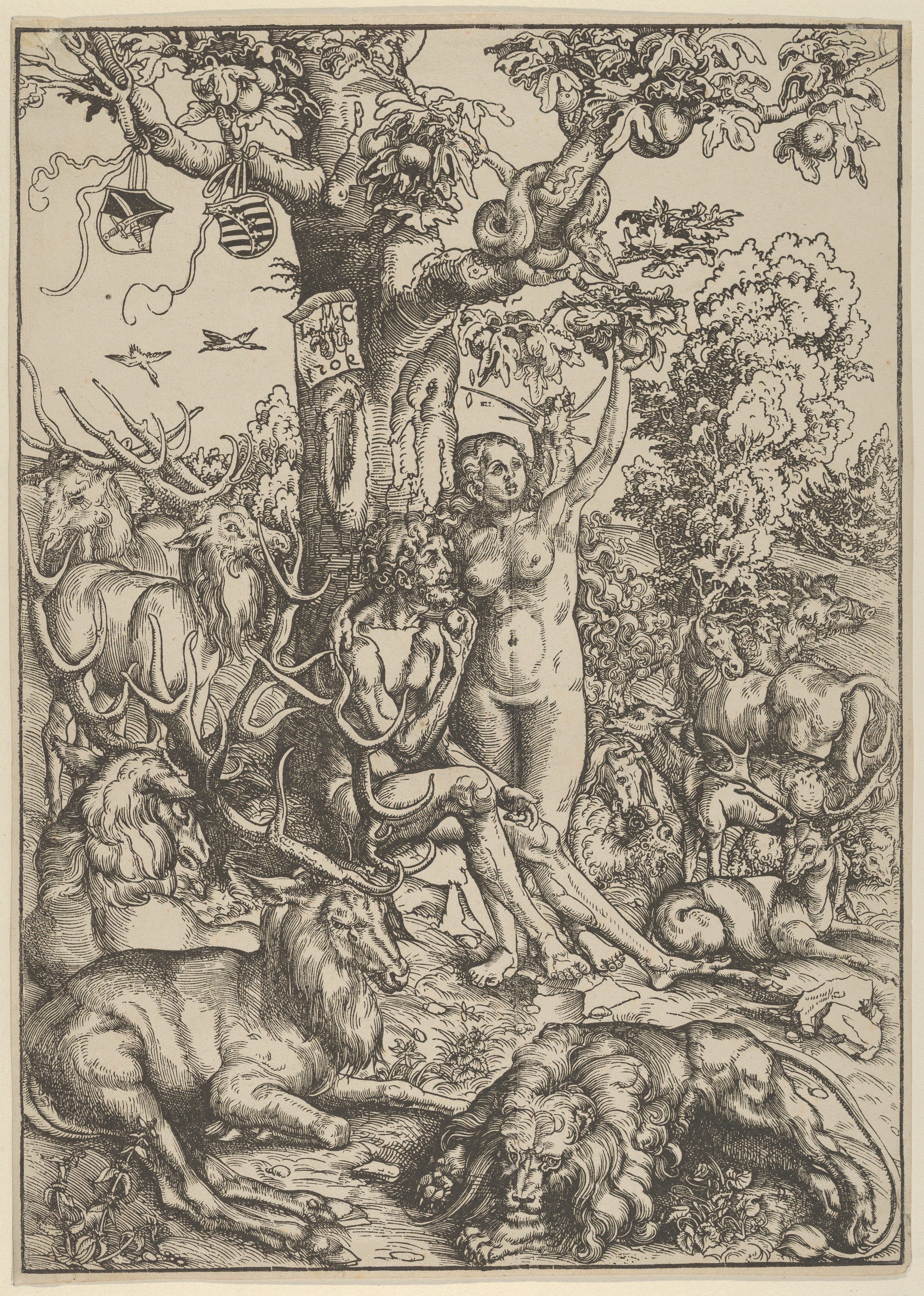
This is the summarised story commonly told about Lilith, the narrative of which comes from the Alphabet of Ben Sira, a compilation of satirical proverbs and stories from an unknown author/s dating between 700 and 1000 CE. The section where Lilith appears (the Second Alphabet) draws centrally from the Hebrew Talmud, but demonstrably possesses influences from further back in antiquity, harkening to the lilitu demons of Mesopotamia.
The origins of Lilith reside in a category of demons from ancient Mesopotamia, comprising feminine ‘lilitu’, and masculine ‘lili’. These entities were considered demons who preyed upon humans, especially the young, bringing about death and infertility (Black & Green, 1992, p. 118). Dating to around 2000 BCE, the Sumerian story of Gilgamesh and the Huluppu-Tree features an encounter with a lilith-demon who builds her home within a tree belonging to Inanna’s garden and is frightened away by the titular hero. Lilith-demons were well known across the ancient Middle East (in the countries now known as Iraq, Iran, Syria, Palestine, Syria, Israel, Jordan, and Turkey),and their malefic presence was commonly warded against using spells, prayers, and amulets. In Babylonia (ancient Iraq and Syria), such demons were depicted as having bird-like features, talons and wings. This is something that is retained in later Jewish interpretations of Lilith.
Being a religion whose birth originated in this ancient part of the globe, it is no coincidence that cultural knowledge of lilith-demons made its way into early Hebrew culture, scripture, and literature. Lilith appears once in the Torah’s Nevi’im (the Bible’s Book of Isaiah), written sometime between the 8th and 7th centuries BCE. This section of text describes the destruction of Edom (modern-day Jordan and Saudi Arabia) and how the land was taken over by undesirable creatures, a female lilith-demon amongst them, making themselves at home in the carnage of a world turned to ruin:
‘Wildcats shall meet hyenas, / Goat-demons shall greet each other; / There too the lilith shall repose / And find herself a resting place.’
(Book of Isaiah 34:14)
In some translations, ‘the lilith’ is rendered ‘the screech owl’ (King James Bible) or ‘night creatures,’ an ancient echo of the Babylonian descriptions of Lilith-demons as avian, winged creatures, and beings of darkness. These entities appear in the 3rd century BCE and 1st century CE Dead Sea Scrolls (‘Songs of the Sage’), where Lilith is listed amongst ‘the spirits of the destroying angels’, ‘the bastards’, ‘demons’, ‘howlers’, and ‘those which fall upon men, without warning, to lead them astray …’ (Songs of the Sage, Fr. 1; Chilton et al, 2010, p. 84). Fear of such entities continued into the 6th-8th centuries CE, when so-called incantation bowls appear from sites in modern-day Iraq and Iran, depicting feminine-formed Lilith-demons amongst spiralling texts aiming to trap the baneful entity and prevent it from causing harm.
The Hebrew Talmud of the 5th and 6th centuries CE, a core Rabbinic text recording Jewish law and theology, draws upon earlier oral and material traditions evidencing the widespread belief in the lilith-demons, describing her as a foreboding winged creature with long hair (Niddah 24b and Erubin 100b, respectively). She first appears in Jewish lore as an individual entity, rather than a type of demon, in the 8th century CE Alphabet of Ben Sira (or the Alphabet of Sirach). This is where she receives her mythological narrative as the first wife of Adam in the Genesis storyand it is from this popularised narrative that Michelangelo’s depiction of Adam and Eve’s expulsion from Eden, centuries later, is derived, showing Lilith reaching for Eve with her human top-half, whilst her lower half is coiled around the Tree of Knowledge (Temptation, the Sistine Chapel, 1508-1512 CE).
Skipping forward, Western Estoterisim took an interest in the mythology of Lilith and, in turn, she was supplanted into the Pagan revival and witchcraft traditions of the 20th century. Arising from various intersecting social-political factors, the 1970s and 80s saw an explosion of feminist theology, giving rise to spiritual feminism and the Goddess Movement. Prominent within this were figures such as Judith Plaskow, who wrote significant works renegotiating Judaism through a feminist lens, recontextualising the story of Lilith as a form of Jewish feminist midrash (Plaskow, 2005). Feminist revisions of Lilith’s story in the Garden of Eden not only resonated with Jewish women, but also Christians, secular feminists, and adherents of the burgeoning Goddess Movement. Lilith became an icon of women’s empowerment, anti-establishment sentiments, and sexual liberation. This has continued into the present day, yielding innumerable published works, workshops, retreats, and rituals, promoting working with the archetype and divinity of Lilith for self-actualisation, as well as from a place of sincere devotion.
This introductory chapter has provided a condensed historical overview of Lilith’s appearances and shifting faces through time, preparing readers for a closer look at each time and phase of her historic transformation in the chapters ahead. What follows is more detail on each of these stages, starting in ancient Mesopotamia and the cultural landscapes of Sumeria and Babylonia, where Lilith’s origins first arose. This will then travel across the Middle East to her appearance in the Hebrew Talmud and Alphabet of Ben Sira, before arriving as an individualised, seductive figure, in the Medieval and Early Modern Periods, paving the way for her eventual arrival in the modern feminist movement and Paganisms.
This chapter-by-chapter overview does not intend to be exhaustive but aims to provide a good understanding of where Lilith came from and where she exists in the modern zeitgeist, accounting for her continual shapeshifting through time and geography. With this historical overview established in Chapters One to Four, the remainder of the book will explore how contemporary Pagans and devotees may engage with Lilith in her form as a Goddess or Archetype, presenting prayers and magic, and rituals and recurring devotions. The book will conclude by tying this altogether, considering Lilith’s long, enduring Herstory and an invitation to readers and devotees to continue to fly alongside this controversial and much beloved Queen of the Night.
For more details: https://www.collectiveinkbooks.com/moon-books/authors/olivia-church
Dr Olivia Church (she/her) is an ancient historian and Egyptologist, who has been on a polytheistic Pagan and Witchcraft path since she was 13 years old. These days she predominantly practices Inclusive Heathenry, though she also maintains strong relationships with deities from the ancient Mediterranean and Egypt, and this is reflected in her published books. A portion of royalties gained through the sale of her books are always donated to charitable causes in Egypt, giving back to the people whose culture has inspired her work and life. Olivia lives in the UK with her partner and their cat, and spends most of her free time writing, reading, watching horror movies, and listening to heavy metal.

 The Pagan Collective
Leave a comment