

The end of January looms, seasonally this part of year is known to be a particularly depressing time in the calendar, liminally situated between the celebrations of December and the lighter days of spring. Your New Years Resolutions may seem like a distant memory, but as the author of a book on pilgrimage, I would be remiss if I didn’t point out that, going on a pilgrimage is one worthy goal that I hope you will at least still consider.

I can well understand that a pilgrimage can seem to be a daunting prospect, especially with our 9-5 working lives, where time is such a precious luxury. When pilgrimage is mentioned, many people immediately think of well-established pilgrimage routes, such as the Camino de Santiago, which is 500 miles long and on average takes roughly 30-40 days walking. Don’t get me wrong, the Camino is probably the most popular pilgrimage route in the world – over 442, 000 people walked it, or parts of it, in 2024. A Pilgrimage doesn’t have to follow a prescribed route, definitely doesn’t have to be hundreds of miles long, or take huge amounts of time to complete. As long as the destination – or the place at the end, is significant to the pilgrim, that is all that matters. This destination could be something highly personal, such as a specific place to remember a loved one or visiting an ancestral location. It could be a place that you have always been drawn to, somewhere that speak to your soul, or somewhere you believe you have visited in your dreams.
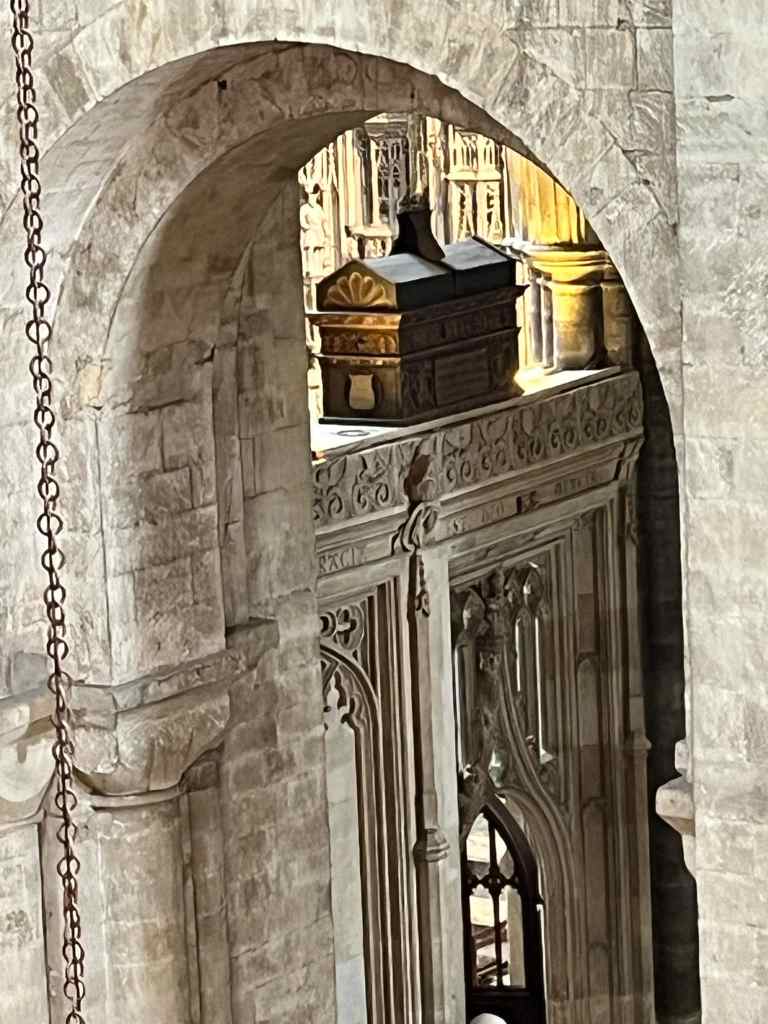
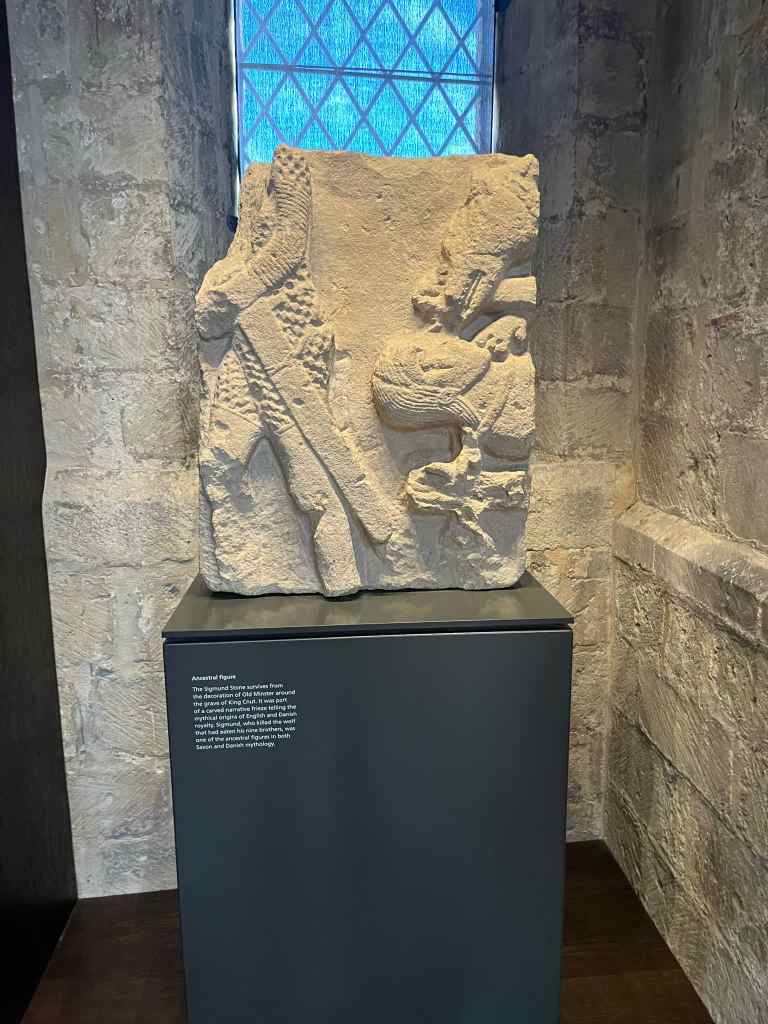
This special place could be on the other side of the world, or it could be much closer to home. As examples, I regularly walk along stretches of the Itchen Navigation Heritage Trail, and Pilgrim Way which starts at one side of the city I live in and finishes in Winchester. My destination, in all cases is Winchester Cathedral. This is where I have been spending time in contemplation, visiting the Sigmund Stone and viewing the Bones Chests. It is a relatively easy pilgrimage for me to do because it is close to where I live. Equally, last year I travelled to Unst in Shetland, and walked as close as possible to the furthest point north in the UK. Both of these pilgrimages, although innately different in every aspect from each other, left an intensely powerful impression on me.
The other important point that I want to emphasise is you don’t have to walk! Yes, you read that correctly. Walking is NOT compulsory. (Unless of course you want to, its your pilgrimage, after all.) The pilgrimage I write about in my book, to Iona on the west coast of Scotland, involved a plane, a coach, two ferries and a train, plus a small amount of walking to get to various places on the island. The journey was hard, and took quite a long time, and I had plenty of time to absorb the passing landscapes as well as time to reflect upon the journey and my reasons for taking it.

A pilgrimage is a challenge. It should take you out of your comfort zone and put you into situations that are unfamiliar and unknown to you. It should not, however, be unduly dangerous or put you at serious risk. The challenge should be educational, and even transcendental in nature. When you arrive at your destination, whether this is a sacred place, or somewhere significant to you personally, you should be incredibly proud of what you have achieved already. Well done you!
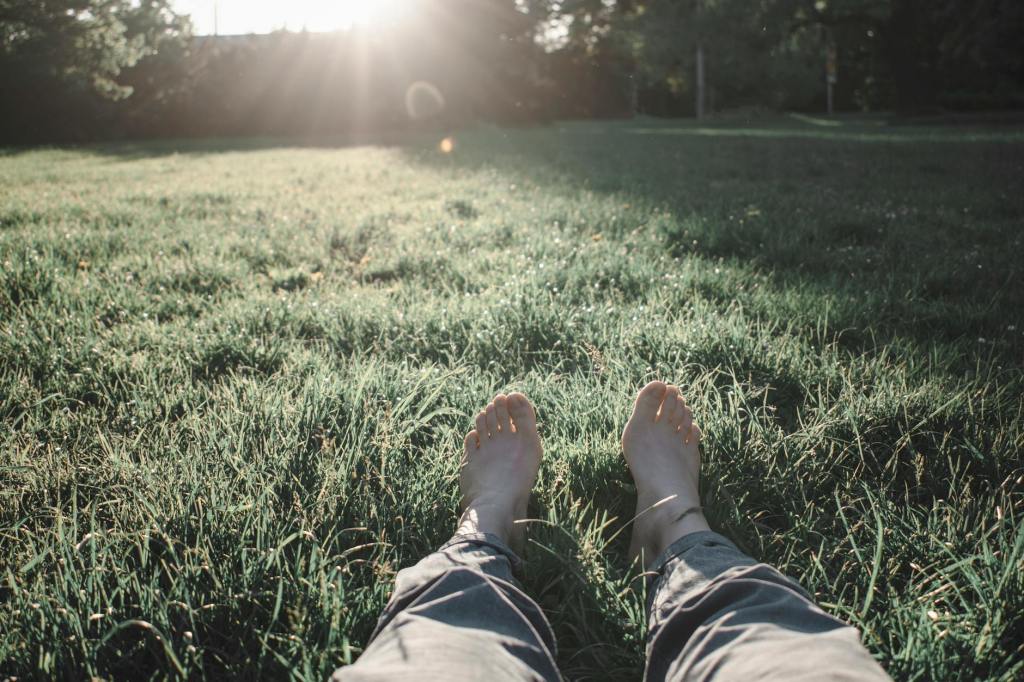
You’ve crossed the threshold to your destination. Now is the time to immerse yourself in the sacred, whether this is through prayer or ritual, walking barefoot, or to simply experience being present in the landscape you are in. It maybe you will preform a specific duty, such as scattering ashes, or remembering a loved one. Connecting to the place you are, though a sacred action will bring a deep intrinsic knowledge, it will help to balance all your time and effort into this one act. It may be both liberating and empowering, and it will bring a profound sense of peace within you. Your pilgrimage will enable you to form a deeper relationship with the divine, or the sacred. It will transform you in in multiple and unimaginable ways. Over time, after you have returned to your regular life, you will frequently reflect and re-examine your journey in pilgrimage. You will know you have and continue to be changed by your mystical journey into pilgrimage.
2025 is a great year for a pilgrimage!
For ideas of destinations and inspiration, please check out my A-Z of Pilgrimage Places by scrolling through past posts on my blog at: heathenpilgrim.substack.com and of course, read my book. I’d love to know how you get on.
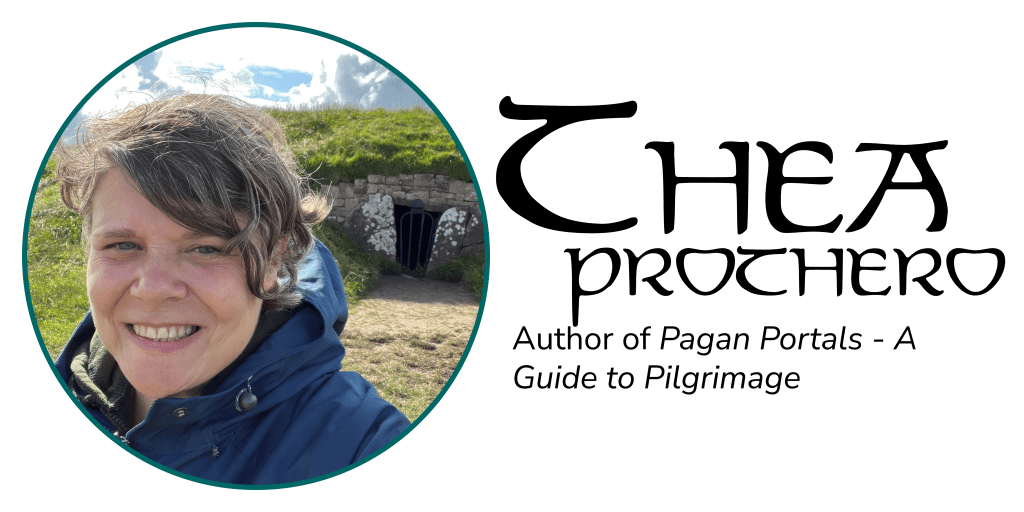
Thea is a Heathen and a pilgrim. She likes to think of herself as a Nemophilist, which means a ‘haunter of woods’. She spends most of her free time walking in the wildest remotest lands, places that still make the gods tremble, and she loves the challenge of finding connection through nature to the divine. She writes prolifically, read equally, has a passion for learning, taking photos, grow things, and spend time with her family. she works in education and lives in the south of the UK.
For more details: https://www.collectiveinkbooks.com/moon-books/authors/thea-prothero

 The Pagan Collective
Leave a reply to roselle angwin Cancel reply